Beating the Winter Blues: Lifestyle Strategies for Seasonal Wellness
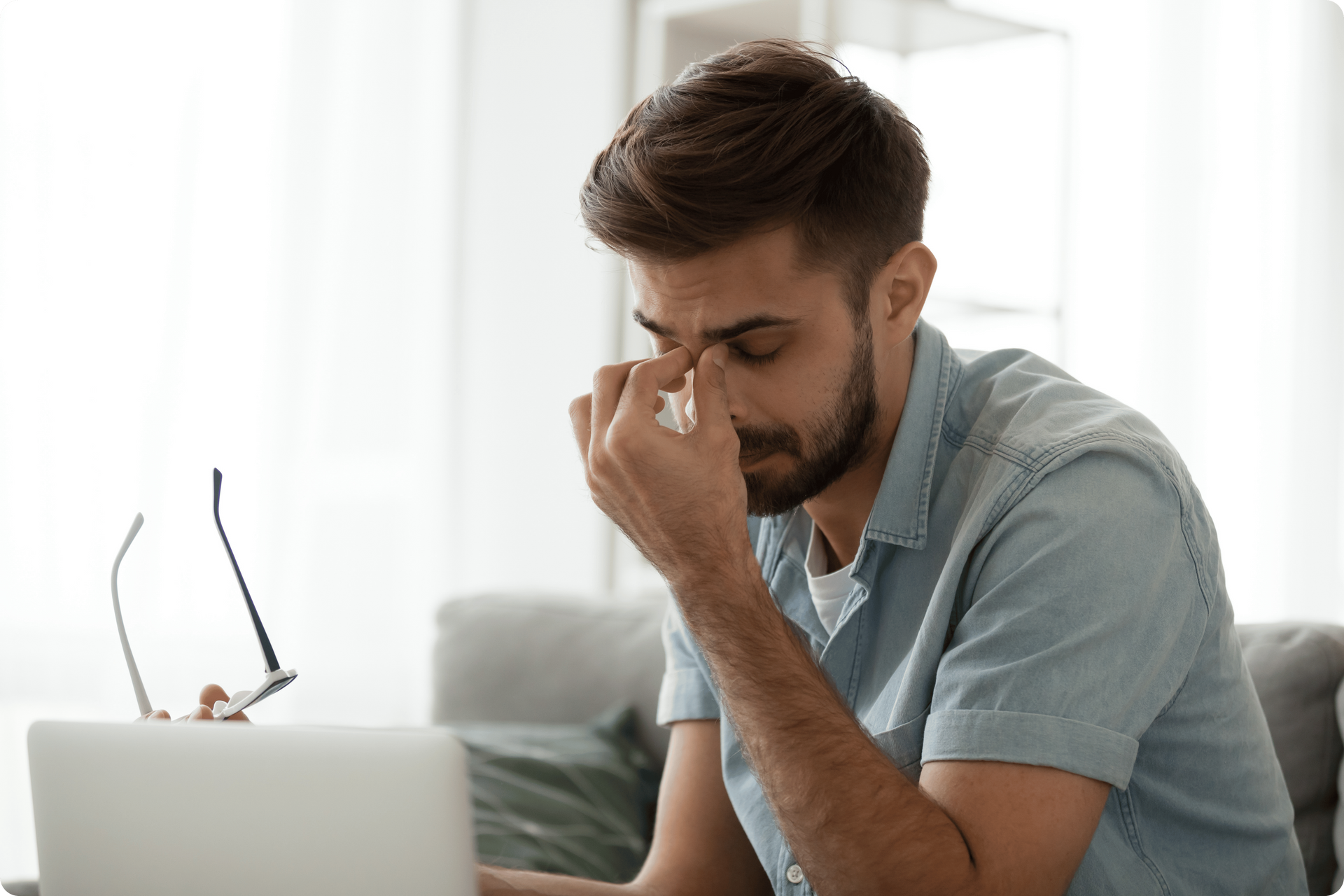
The alarm goes off, and it's still dark outside. By the time you finish work, the sun has already set. Your energy feels lower, your motivation has dipped, and even activities you normally enjoy seem less appealing. Sound familiar?
You're not imagining things. The shorter days and reduced sunlight of winter genuinely affect how many of us feel. For some people, these changes are mild and manageable. For others, they can significantly impact daily life. The good news? Understanding what's happening in your body and brain opens the door to practical strategies that can make a real difference.
What Causes the Winter Slump?
First, let's talk about what's actually going on when winter arrives and your mood shifts. It's not just in your head. It's in your biology.
According to the National Institute of Mental Health , reduced daylight hours trigger changes in two key chemicals in your brain: serotonin and melatonin. Serotonin, which contributes to feelings of well-being and happiness, tends to drop when sunlight exposure decreases. Meanwhile, melatonin, the hormone that regulates sleep, can increase, leaving you feeling sluggish and tired during the day.
This combination helps explain why winter often brings:
- Lower energy levels despite getting adequate sleep
- Increased appetite, particularly for carbohydrates
- Difficulty concentrating or feeling motivated
- A general sense of heaviness or fatigue
- Reduced interest in activities you normally enjoy
For most people, these symptoms are mild and don't significantly interfere with daily life. This is often called the "winter blues." But for about 5% of adults in the United States , according to the American Psychiatric Association , the symptoms are more severe and meet the criteria for Seasonal Affective Disorder (SAD). Another 10 to 20% experience milder but still noticeable symptoms.
The encouraging part? Whether you're dealing with mild winter blues or more significant seasonal mood changes, lifestyle strategies can genuinely help.
Light: Your Most Powerful Tool
Since reduced light exposure is at the root of winter mood changes, it makes sense that increasing your light exposure is one of the most effective interventions.
Research consistently shows that bright light therapy can be as effective as antidepressant medications for seasonal depression, with response rates between 40 and 60%. According to Harvard Health , symptoms often start improving within a week, which is faster than many medications.
How light therapy works:
- A specialized light box emits 10,000 lux of white light (much brighter than typical indoor lighting)
- You sit near it, with eyes open but not staring directly at the light, for about 30 minutes
- Morning exposure tends to be most effective, helping reset your circadian rhythm
- Consistent daily use throughout the winter produces the best results
If you're considering light therapy, look for light boxes specifically designed for this purpose. They filter out UV rays and provide the appropriate intensity. Quality light boxes typically cost around $100 to $150, a one-time investment that can provide years of benefit.
Natural light matters too. Even on cloudy days, outdoor light is significantly brighter than indoor lighting. If possible:
- Get outside within the first hour or two after waking
- Take a midday walk, even a short one
- Sit near windows during daylight hours
- Open blinds and curtains to maximize natural light in your home
Research published in Frontiers in Public Health confirms that outdoor activity increases exposure to sunlight, which promotes vitamin D synthesis and supports mood regulation through multiple biological pathways.
Movement: The Natural Antidepressant
Exercise isn't just good for your body. It's one of the most effective interventions for mood, and this is especially true during winter months when we tend to become more sedentary.
A landmark 2024 study published in The BMJ analyzed data from hundreds of clinical trials and found that exercise is a highly effective treatment for depression , comparable to psychotherapy and medication. The benefits aren't limited to intense workouts either. Moderate activities like walking, swimming, and yoga all showed significant effects.
Why exercise helps:
- It increases endorphins, your body's natural mood elevators
- It helps regulate circadian rhythms, especially when done outdoors
- It reduces stress hormones like cortisol
- It provides a sense of accomplishment and self-efficacy
- It often involves social connection, which compounds the benefits
The key during winter is consistency, not intensity. Research from the University of Chicago suggests that even moderate exercise shows benefits comparable to antidepressant medication after about three months.
Practical tips for winter movement:
- Schedule it like an appointment, preferably during daylight hours
- Start small (10-15 minutes) and build gradually
- Find indoor options you enjoy for days when weather makes outdoor activity impractical
- Exercise with others when possible for added motivation and social benefit
- Focus on enjoyment rather than achievement
If outdoor exercise seems daunting in cold weather, remember that you don't need to be outside for long. Even a 15-minute walk during your lunch break exposes you to natural light while getting your body moving.
The Vitamin D Connection
Vitamin D is sometimes called the "sunshine vitamin" because your body produces it when your skin is exposed to sunlight. During winter, especially at northern latitudes, this natural production drops significantly.
Research continues to explore the relationship between vitamin D and mood. A 2024 meta-analysis in Frontiers in Psychiatry found that vitamin D supplementation significantly reduced depressive symptoms compared to placebo across multiple studies. The evidence suggests that maintaining adequate vitamin D levels may support mood stability, particularly during winter months.
Vitamin D basics:
- Many adults become deficient during winter due to reduced sun exposure
- Blood tests can determine your current levels
- The recommended daily amount is typically 600-800 IU, though some studies have used higher doses (1,000-5,000 IU) for mood support
- Dietary sources include fatty fish, fortified foods, and egg yolks
- Supplementation is often necessary during winter months, particularly at northern latitudes
It's worth talking with your healthcare provider about testing your vitamin D levels and determining an appropriate supplementation strategy if needed.
Social Connection: The Antidote to Isolation
Winter naturally pulls us toward hibernation mode. The cold weather and early darkness make staying home under a blanket more appealing than going out. But this tendency toward isolation can worsen mood problems.
Research published in World Psychiatry confirms what we intuitively know: social connection plays a vital role in preventing mental health problems and maintaining psychological well-being. Isolation and loneliness are consistently associated with poorer mental health outcomes, including increased depression and anxiety.
The relationship goes both ways. Feeling low makes us less likely to seek social interaction, but avoiding social contact can deepen low moods. This creates a cycle that's important to recognize and actively counteract.
Strategies for staying connected:
- Schedule regular social activities in advance, making them commitments rather than day-of decisions
- Join a winter class, club, or group activity that meets consistently
- Plan ahead for the holidays and colder months so you have things to look forward to
- Use technology thoughtfully to maintain connections when in-person meetings aren't possible
- Consider volunteering, which combines social connection with a sense of purpose
Quality matters more than quantity. A few meaningful connections are more beneficial than numerous superficial ones. Focus on relationships that feel supportive and energizing.
Sleep: Finding Balance in Darker Days
The increased melatonin production during winter can make you feel sleepier, and the temptation to spend extra hours in bed is strong. But oversleeping can actually worsen low mood and fatigue.
Healthy winter sleep habits:
- Maintain consistent sleep and wake times, even on weekends
- Aim for 7 to 9 hours of sleep, but not significantly more
- Get bright light exposure as soon as possible after waking
- Avoid napping late in the day, which can disrupt nighttime sleep
- Create a sleep-conducive environment (cool, dark, quiet)
If you find yourself wanting to sleep significantly more than usual during winter (10 or more hours), this might be a sign that your body is struggling with the seasonal changes. The other strategies in this article, particularly light exposure and movement, can help regulate your sleep-wake cycle.
Nutrition: Feeding Your Mood
Winter often brings cravings for comfort foods, heavy meals, and carbohydrates. While occasional indulgence is part of enjoying the season, consistently relying on these foods can actually worsen how you feel.
Blood sugar spikes and crashes from refined carbohydrates can intensify mood swings. And while comfort foods might provide temporary relief, they don't supply the nutrients your brain needs to function optimally.
Mood-supportive nutrition strategies:
- Include omega-3 fatty acids: Found in fatty fish, walnuts, and flaxseeds, omega-3s support brain health and have been linked to reduced depression symptoms
- Eat protein at each meal: Protein helps stabilize blood sugar and provides building blocks for neurotransmitters
- Don't neglect vegetables: Even in winter, aim for colorful produce like winter squash, leafy greens, and citrus fruits
- Stay hydrated: Dehydration can mimic symptoms of fatigue and low mood
- Moderate alcohol: While it might seem to help in the moment, alcohol disrupts sleep and can worsen depression
You don't need to eliminate comfort foods entirely. The goal is balance, ensuring that your overall diet supports your mental and physical well-being while still allowing room for enjoyment.
Creating Your Winter Wellness Routine
The strategies above work best when combined into a consistent routine. Here's a practical approach to putting them together:
Morning:
- Wake at a consistent time
- Get bright light exposure (light box or natural light) within the first hour
- Include protein in your breakfast
- Move your body, even briefly
Midday:
- Take a walk outdoors if possible, even for 10-15 minutes
- Eat a balanced lunch
- Connect with others, whether in person, by phone, or video
Evening:
- Engage in activities you enjoy, not just passive screen time
- Maintain social plans when possible
- Wind down with consistent sleep preparation
- Go to bed at a regular time
You don't need to implement everything at once. Start with one or two strategies that feel most manageable and build from there. Consistency matters more than perfection.
When to Seek Additional Support
Lifestyle strategies can make a significant difference for many people experiencing winter blues. But sometimes additional support is needed, and there's no shame in seeking it.
Consider talking to a healthcare provider if:
- Your symptoms significantly interfere with work, relationships, or daily functioning
- You're experiencing thoughts of self-harm or suicide
- Lifestyle changes haven't helped after several weeks of consistent effort
- You've had episodes of seasonal depression in previous years
- Your symptoms feel overwhelming or unmanageable
Professional treatment options include cognitive behavioral therapy (CBT) specifically adapted for seasonal depression, antidepressant medications, and medically supervised light therapy. These can be used alone or in combination with the lifestyle strategies discussed here.
If you've experienced seasonal depression before, proactive prevention starting in early fall, before symptoms begin, may help reduce their severity.
The Bottom Line
Winter doesn't have to mean months of low mood and low energy. Understanding why you feel different during this season empowers you to take action . Light exposure, movement, social connection, sleep regulation, and nutrition all play roles in how you feel, and each of these is within your control.
The strategies here aren't complicated, but they do require intentionality. When everything in your body is telling you to stay in bed, skip the gym, and avoid social plans, choosing differently takes effort. That effort is worth it.
Key takeaways:
- Winter mood changes are biological responses to reduced light, not character flaws
- About 5% of adults experience Seasonal Affective Disorder, with another 10-20% experiencing milder winter blues
- Bright light therapy is highly effective, with response rates of 40-60%
- Regular exercise is comparable to medication for treating depression symptoms
- Vitamin D supplementation may support mood during low-light months
- Social connection actively counteracts the isolation tendency of winter
- Professional help is available and effective when lifestyle changes aren't enough
Think of these strategies as investments in your winter wellbeing. Small, consistent actions compound over time. You don't have to feel at the mercy of the seasons. With the right approach, you can maintain energy, connection, and purpose all year round.