
How the Cash Economy Can Save Medicine (and your healthcare budget)

As we've been preparing for the Knew Vision Tour and putting together the framework for Knew Health Cooperative , we've been thinking deeply about why healthcare has become so overwhelming for families like yours.

After all, just a few years ago, finding affordable healthcare felt much more achievable than it does now.

For example, in Arizona, government-subsidized "silver" health insurance monthly contributions increased 116% from 2016 to 2017. An increase that many are still feeling as insurance subsidies continue to change.

116% in just one year!

And that's just one example of government-subsidized insurance contribution increases in one state. We understand how frustrating and scary these numbers can feel.

So, what's changed?

A lot has shifted in our healthcare landscape.

Chronic conditions have grown at a rapid rate in the last two decades, and the Affordable Care Act hasn't exactly succeeded in making things more affordable for most families.

There's no denying that cash has become king when it comes to saving money on healthcare, especially for those with high-deductible insurance plans.

This actually creates an opportunity for you to save money while taking back control of your family's healthcare choices.

Which is exactly what we want to help individuals and Communities.

Here are 3 reasons we believe a cash-based approach is crucial to the future of healthcare:

#1: You get the lowest price

These days, you typically get the lowest possible price on healthcare treatments and procedures when you pay cash.

Thanks to increased awareness about this topic, both individuals and doctors are becoming savvy about these savings.

This is why you're seeing the rise in new models like direct primary care practices—where doctors are paid directly by patients for services or Membership-based programs—and direct-pay labs which offer significant discounts on direct-to-patient blood work.

For those with high-IUA plans, paying cash will often cost thousands less than paying toward their Initial Unshareable Amount for the insurance company's "contracted rate".

Ultimately, paying the cash price saves everyone the most money.

#2: Doctors prefer cash

Through our sister company, The Evolution of Medicine, we've heard countless stories from doctors barely making ends meet or going out of business because of insurance companies.

Lengthy reimbursement times, withdrawn payments, having to fight for every penny owed—for many doctors, taking insurance is no longer sustainable for their practice.

Which is why many clinics have transitioned to a cash-based or hybrid system.

This benefits the doctors—because they can spend more time and resources on helping patients—and benefits you as it allows doctors to offer better prices for cash-paying patients.

#3: You get to determine value—not insurance companies

How many times have you been told, or heard about people being told by insurers: "that procedure is not covered" or "that doctor visit was not medically necessary"?

In that scenario, insurance companies dictate value. Even if it means you don't get the care you need.

In a cash economy, you have the power to determine what's valuable and necessary for you and your family's health—not the insurance company.

For example, if you knew you'd have to pay $2,200 to spend 10 minutes with a doctor who doesn't offer you a sustainable solution to your health concerns, you'd likely seek other options.

Instead, you could choose a functional medicine doctor who charges $300-$400 and spends an hour or more with you, providing a custom health plan and addressing root causes.

Cash gives us tremendous power in choosing services that offer real value to people, NOT to insurance companies.

How this translates to Medical Cost Sharing and more affordable healthcare for all

At Knew Health Cooperative, our model harnesses the power of the cash economy by allowing Members to direct their own care and giving doctors the cash flow they need to serve their patients well.

Here's how it works:

  • If you have a Medical Need, you're entrusted to choose your own provider and services based on your knowledge of their quality of care and fees.
  • You pay the provider their cash rate, then submit your Medical Need for Community sharing eligibility.
  • The Community as a whole benefits from your good sense of value and the cash rate, the doctor benefits from getting paid immediately, and you benefit when your Medical Need is eligible for sharing.
  • Everyone gets on with their lives.

Beautifully simple, right? That's the power of cash and Community working together to help you save serious money.

Important Note: Knew Health is NOT health insurance. We're a Medical Cost Sharing Community where Members voluntarily share in each other's eligible Medical Needs. You can have up to 3 IUAs (Initial Unshareable Amounts) per year of $1,000, $2,500, or $5,000. Plus, Members receive a Self-Care Credit to use toward wellness and preventive care.

-The Knew Health Team

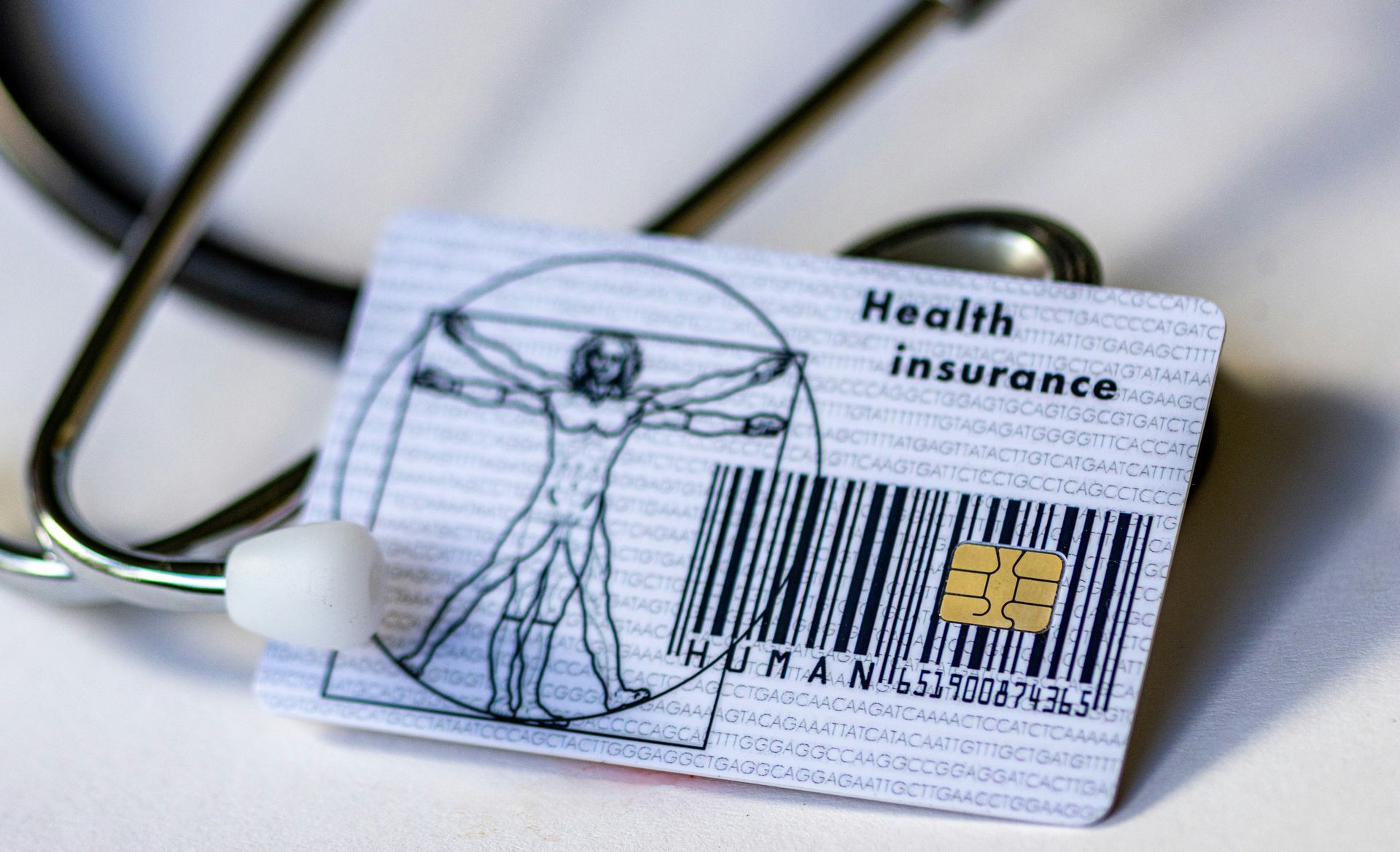
Close-up of a health insurance card and a stethoscope
November 6, 2026
Explore cost-effective alternatives to health insurance like Medical Cost Sharing. Discover the best way to pay for your health care with Knew Health.

New Lab Panel included in Knew Health Membership: Thyroid plus TSH
By Lula Brown • October 14, 2026
Knew Health Members now get a free annual Thyroid Profile with TSH, plus existing no-cost labs and an $80 annual lab credit for additional testing through Evexia.
Blood sample being added into a centrifuge for testing
By Alisha Obaid • September 29, 2026
What do BUN, ALT, and CO2 mean on your blood work? Learn what a comprehensive metabolic panel (CMP) measures and how to understand your blood work results.

Woman in blue shirt using phone, sitting at a table with a laptop and coffee cup in a dim cafe.
By Knew Health • September 17, 2026
Compare healthcare options for freelancers and small business owners: Marketplace plans, COBRA, direct primary care and medical cost sharing.

There's more to medical cost sharing (health shares) than meets the eye.
By Lula Brown • September 15, 2026
Are Health Shares a scam? Learn how Medical Cost Sharing actually works, what Knew Health shares, where the model differs from insurance, and what to know before joining.

Stressed man holding his temples while working on a laptop indoors
By Lula Brown • August 25, 2026
Another year of rising health insurance costs may be ahead. Find out what's behind the possible 2027 premium increases and how to evaluate your healthcare options before open enrollment.

Person resting head on a laptop at a dining table, looking tired in a softly lit room.
By Lula Brown • August 11, 2026
AI is transforming healthcare, but should it decide whether your care gets approved? Here's what doctors, researchers, and policymakers are saying.

More than just a healthshare membership: Annual $200 Self-Credit, 24/7 telehealth access and more
By Knew Health • July 23, 2026
Discover 16 valuable Knew Health Membership perks that can help you save money, stay on top of your health, and get more from your Membership.

Gloved hands placing a bandage on a person’s arm during a medical procedure
By Knew Health • July 8, 2026
Many common symptoms can have dozens of possible causes. Learn how affordable lab testing helps uncover what's really going on in your body – and how Knew Health Members access free and discounted labs.

Man rubbing his eye while working on a laptop in a bright living room
By Knew Health • June 19, 2026
Many men assume constant fatigue is normal, but it isn't. Find out what could be behind your low energy, and what you can do to get your energy back.
Show More