Red Light Therapy Benefits: How It Works for Inflammation, Recovery, and Whole-Body Wellness
Taking care of your body shouldn’t feel complicated.
As more people look for proactive, non-invasive ways to support recovery, reduce inflammation, and improve overall wellness,
red light therapy has quietly moved from niche wellness circles into mainstream health conversations.
But what exactly is red light therapy?
And more importantly – is it something worth considering for your long-term health?
For people who value prevention and proactive care, tools like red light therapy often come up as part of that conversation.
Let’s take a closer look.
What Is Red Light Therapy?
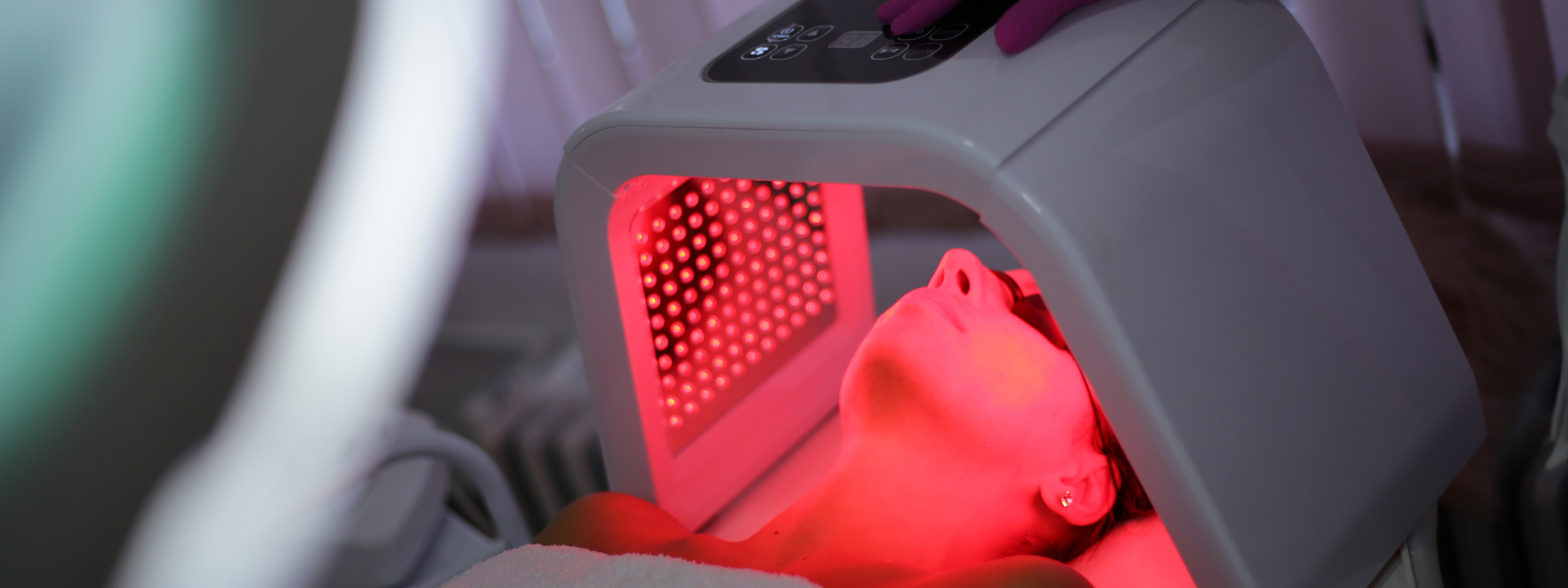
Red light therapy (also called low-level light therapy) uses specific wavelengths of red and near-infrared light to support cellular function.
Unlike ultraviolet (UV) light from the sun, which can damage skin, red and near-infrared wavelengths are designed to penetrate the skin safely and support your body’s natural repair processes.
Instead of masking symptoms, red light therapy works at the cellular level – supporting how your cells create energy and respond to physical stress.
Think of it less like a quick fix…
…and more like giving your cells better tools to do what they’re already designed to do.
Why Cellular Energy Matters
Inside each of your cells are tiny structures called mitochondria – often referred to as the “powerhouse” of the cell (you might remember this from 9th grade biology).
Research suggests red and near-infrared light may help support mitochondrial function, improving the production of ATP, the primary energy source your cells use to repair tissue, regulate inflammation, and reduce oxidative stress.
When cellular energy production improves, multiple systems may benefit.
That’s why therapies that support cellular function are getting more and more popular in longevity and preventive-health circles.
Because red light therapy works at the cellular level, it’s associated with…
- Muscle recovery
- Joint health
- Circulation
- Skin health
- Inflammation balance
- Sleep quality
- Recovery from physical stress
While research in some areas is still evolving, clinical studies in sports medicine, dermatology, and physical therapy settings show promising results when red light therapy is used consistently and appropriately.
Potential Benefits of Red Light Therapy
Red light therapy isn’t a miracle solution.
But studies suggest it may support your body in areas that directly impact everyday comfort and long-term health.
These are the most common benefits of red light therapy:
1. Muscle Recovery and Exercise Performance
One of the most researched uses of red light therapy is muscle recovery.
Clinical studies in athletes and active adults suggest red light therapy for muscle recovery may help:
- Reduce post-exercise soreness
- Support faster recovery between workouts
- Improve muscle performance in certain training settings
By supporting circulation and cellular repair processes, red light therapy may help the body recover more efficiently after physical exertion.
For anyone who loves movement – whether that’s strength training, weekend sports, hiking, or staying active with your family – recovery matters, and red light therapy could help.
2. Joint and Inflammation Support
Chronic inflammation is often linked to joint stiffness and discomfort.
Red light therapy for inflammation has been studied for its potential role in supporting the body’s natural inflammatory response, particularly in soft tissue and joint applications.
A lot of people report better mobility and less stiffness over time.
Red light therapy is not a replacement for medical treatment for inflammatory or autoimmune conditions, but it can be a great complementary, non-invasive tool, as part of a broader care plan.
3. Skin Health and Collagen Production
Red light therapy is widely used in dermatology and aesthetic medicine.
Research suggests it may support:
- Collagen production
- Skin elasticity
- Reduction in the appearance of fine lines
- Even skin tone
- Acne management
Red wavelengths interact with fibroblasts – the cells responsible for collagen synthesis – which may help explain improvements in skin texture and appearance seen in clinical settings.
For people who want to take a natural approach to skin health, red light therapy can be a great option.
4. Circulation and Recovery
Healthy circulation is key for oxygen delivery, nutrient transport, and tissue repair.
Some studies show that red and near-infrared light exposure may increase blood flow in treated areas, which plays an important role in muscle recovery and tissue health.
Better circulation supports not just performance, but long-term resilience.
5. Sleep and Stress Support
Emerging research and clinical observations suggest red light may be less disruptive to natural melatonin production compared to blue light exposure at night.
Because blue light from screens can delay sleep signals, some people use red light therapy in the evening as part of their sleep routine.
While red light therapy alone is unlikely to resolve chronic sleep disorders, it may support healthier circadian balance when paired with consistent sleep hygiene habits.
For people navigating stress and poor sleep quality, small shifts like this can have a meaningful impact over time.
Types of Red Light Therapy Devices
As red light therapy has grown in popularity, devices now range from compact tools to full-body panels.
Common red light therapy devices include:
Handheld Devices
Best for targeted areas such as knees, shoulders, neck, or facial treatments.
LED Face Masks
Designed for at-home treatments, these masks support skin health and collagen production.
Panel Systems
Larger systems designed to support wider treatment areas, often used for muscle recovery or broader wellness sessions.
Wearable Wraps or Pads
Flexible devices created for specific joints or muscle groups.
Professional In-Clinic Systems
Higher-powered devices used under supervision in recovery or wellness clinics.
When choosing a red light therapy device, consider:
- Wavelength range (typically 630-850 nanometers)
- Power density and irradiance
- Treatment size area
- Ease of use
- Third-party safety certifications
Consistency and correct use often matter more than having the most advanced or expensive device.
Is Red Light Therapy Safe?
Red light therapy is generally considered low-risk when used appropriately and according to manufacturer guidelines.
It’s non-invasive and does not involve UV radiation.
However, as with any wellness modality:
- Follow recommended usage times
- Avoid staring directly into high-intensity light sources
- Use protective eyewear if advised
Consult a healthcare professional if you have a medical condition, are pregnant, or are undergoing medical treatment.
Red light therapy should complement – not replace – appropriate medical care when needed.
The strongest wellness plans combine informed medical support with smart lifestyle tools.
Who Might Benefit Most from Red Light Therapy?
Red light therapy is popular with people who prefer thoughtful, non-invasive approaches, and want more ownership over their long-term health decisions.
It may be worth exploring if you:
- Prioritize muscle recovery and performance
- Experience ongoing joint stiffness or mild inflammation
- Want proactive support for skin health
- Are focused on long-term cellular wellness
- Prefer non-invasive, at-home wellness tools
It’s not about chasing trends.
It’s about understanding what supports your body and choosing tools intentionally.
Choosing What’s Right for You
The best wellness tools aren’t the ones with the loudest marketing – they’re the ones that fit your lifestyle and support consistency.
Red light therapy may not be necessary for everyone.
But if you’re looking to support inflammation balance, improve muscle recovery, and invest in long-term cellular health, it can be a thoughtful addition to a proactive wellness strategy.
Red Light Therapy FAQs
Does red light therapy really work?
Research suggests red light therapy may support cellular energy production, circulation, and inflammation balance.
Clinical studies in sports medicine and dermatology show promising results for muscle recovery and skin health when used consistently.
Results vary based on device quality, frequency of use, and individual health factors.
What are the main benefits of red light therapy?
The most commonly reported red light therapy benefits include:
- Reduced muscle soreness
- Less joint stiffness and pain
- Improved skin tone and collagen production
- Better circulation and mobility
- Faster recovery time post-exercise
While not a cure or replacement for medical treatment, red light therapy may complement a proactive wellness routine.
Is red light therapy safe?
Red light therapy is generally considered safe when used according to manufacturer guidelines.
It’s non-invasive and does not involve UV exposure.
People with medical conditions, those who are pregnant, or those undergoing medical treatment should consult a healthcare professional before use.
How often should you use red light therapy?
Many at-home protocols recommend 10-20 minute sessions, 3-5 times per week.
Some people use it daily.
Consistency appears to matter more than intensity.
Always follow the recommended guidance for your specific device.
How long does it take to see results?
Some people notice improvements in muscle recovery or skin clarity within a few weeks.
For inflammation support or deeper tissue applications, noticeable benefits may take longer.
Like most wellness tools, results build over time with consistent use.
Is red light therapy the same as infrared therapy?
Red light therapy often includes both visible red light and near-infrared wavelengths.
Near-infrared light penetrates deeper into tissue, while red light works closer to the surface.
Many modern devices combine both for broader support.
At Knew Health, we believe healthcare decisions should feel grounded in clarity – not confusion or pressure.
The more you understand how your body works – from the surface to the cellular level – the more confidently you can choose the tools, treatments, and care models that support it.
Wellness doesn’t have to be extreme, and it doesn’t have to be overwhelming.
Sometimes it’s about integrating simple, evidence-informed tools that work with your body – and choosing healthcare that makes prevention, recovery, and long-term stability possible.
Whether that means exploring red light therapy or rethinking how you approach healthcare altogether, proactive wellness begins with awareness, intention, and the willingness to choose what truly fits your life.